I had never been a gym person.
I always had a stigma about gym. Or to say, I never thought strength or resistance training was my thing.
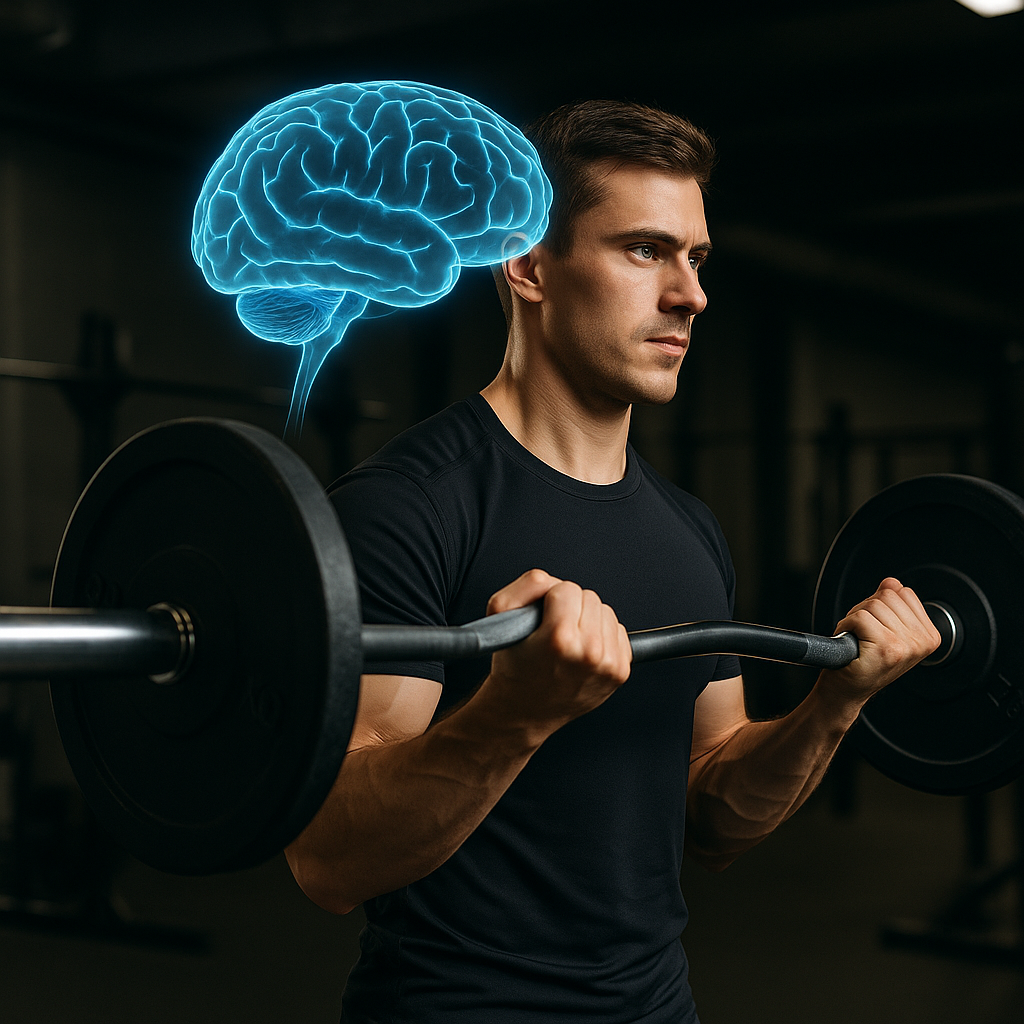
I vividly remember my first day at the Gym. Looking at everyone using different machines, I was lost at even where to start.
Youtube has made me spoilt for choice. I had zero idea where to begin.
And there within, standing at the gym in a cold November (No pun intended to Guns and roses) , I stand trying to do my first deadlift. To be honest, I never had the belief. And not to my surprise, the barbell didn’t move an inch, but something inside me probably did.
Flash forward, with progressive overload, and months of accumulation, I can lift some bits of weight. And reflecting on that, and years of therapy and training on Cognitive Behavioral Therapy, I realise the connection.
The point of realization was the fact things could change. And as a chronic OCD individual(Diagnosed), I came to realise this had started to give me some form of sense of control. And to be honest, it helped me challenge some of my core beliefs that had led to some of the cognitive distortions I struggled with.
With every single training of muscle, it grows through resistance. There is muscle memory, and bunches of neuromuscular signalling running.
And in many ways our brains are similar. It is plastic in many ways.
Years of journalling and battling my mental health, I realised I had unknowingly done a form of resistance training with my brain. And therapy in itself is a form of resistance training.
I am a researcher by profession, and the geeky side of me jumped through copious amount of research articles.
Of course, there has been loads of positive things in different journals about resistance training. I am not going to be boring you with the technical parts.
A 2021 review by T. Hortobágyi and colleagues looked at what happens inside the body when you train regularly. They found something fascinating:
Strength training boosts muscle activation, reshapes neural circuits, and even changes the way your brain and peripheral nerves communicate.
Using brain-imaging data and nerve-stimulation studies, the researchers showed that when you train, you’re strengthening the “software” (your brain and nervous system) just as much as the “hardware” (your muscles).
This was the first study that made me think: maybe the mental clarity and emotional stability I gained from lifting weren’t just psychological — maybe they were neurological.
A massive 2019 meta-analysis by U. Singhique et al. examined where exactly these brain-and-nerve changes happen.
They looked at things like:
- Motor-evoked potentials
- Cortical silent periods
- Spinal reflexes (like the V-wave)
- Subcortical excitability
Their conclusion was pretty straightforward
Resistance training upgrades the entire system — from the motor cortex in your brain all the way down the spinal cord.
It’s a full-body neural reprogramming
When I read this, it made sense why lifting sometimes feels like my thoughts become sharper, my reactions cleaner, and my anxiety a little quieter.
My nervous system is literally learning to fire more efficiently.
The bookworm in me immediately picture Kafka Tamura from Murakami’s “Kafka on the Shore”. Kafka doing different sorts of strength trainings, in his way of becoming the world’s toughest 15 year old. Murakami had subconscioiusly meant it to be both physical and mental.
In CBT, you are training your brain. In the words of Aaron Beck, your thoughts shape your reality. You are training your brain through therapy to get rid of different cognitive distortions, and in a way your perception of reality.
Your mental strength training could take learnings from your resistance training. You are building new connections, more synapses are formed as you are slowly recovering from your cognitive distortions. And you are learning.
There is a caveat. One of the reasons why strength training is rewarding is because you can visualise the progress. With every week passing, you get a joy with the extra load you can carry, and the hypertrophy gets added to your visual image.
But the same is hard to say about your own mental strength. There is no direct indicator of your growth of mental health.
Now getting out of the mumbo jumbo, the core message is very simple. Strength training had helped me challenge my core belief. It made me believe I can change. I can have growth.
I started tricking my brain into thinking that with every day of toggling life’s challenges in a healthy way, my mental strength is growing. It is not visible. So I sort to imagination. A bar is popping in my head. I am growing.
As Master Oogway said, You need to believe. And believing changes a lot of things. This also causes major challenges in my research, because placebo effect itself is a big thing to encounter in my own research, but lets put that story for another day.
I have found my own sense of strength and self belief through strength training. I hope you do as well!
 Rafeul Hasan